Closer Look: Anal Glands
It is far from being the most glamorous topic in the world, but the reality is that anal gland health is something that every dog parent should have an understanding of. These tiny glands can cause big discomfort when things aren’t working the way they should — and knowing what’s normal (and what isn’t) helps keep your pup comfortable and healthy.
Let’s break it down in a simple, dog‑friendly way.
What Are Anal Glands?
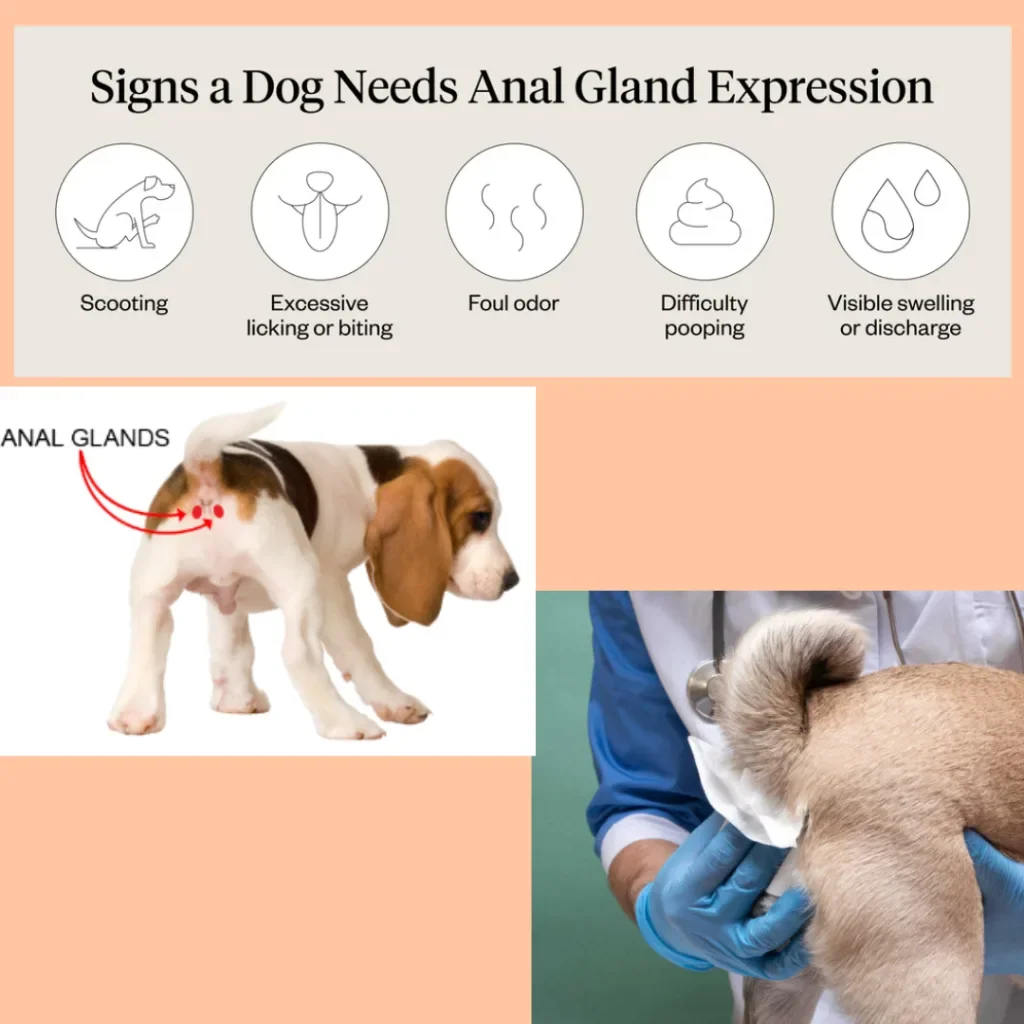
Dogs have two small scent glands located just inside the rectum. In a perfect world, these glands empty naturally during bowel movements. But for many dogs, that doesn’t always happen.
When the glands don’t empty on their own, they can become:
Full
Impacted
Uncomfortable
Or even infected
That’s when you may notice scooting, licking, a strong odor, or swelling.
Why Some Dogs Struggle With Anal Glands
A few factors can make a dog more prone to anal gland issues:
Soft stools that don’t apply enough pressure
Allergies
Skin sensitivities
Anatomy (some dogs are just built differently)
Chronic inflammation
Obesity
Lack of fiber in the diet
Some dogs never have a problem. Others need regular maintenance.
What Groomers Can Do — And What We Can’t
Groomers are only allowed to perform external anal gland expression. This is a gentle technique from the outside of the body — not inside the rectum.
I only perform this service when:
It’s vet‑recommended, and
It’s already being done regularly at home
Just like ear plucking, this is something groomers can maintain, not “fix,” especially since we only see most dogs every 4–8 weeks.
When It’s Time to See the Vet
If you notice:
Scooting
Excessive licking
A fishy smell
Swelling
Pain
Blood or discharge
…that’s a sign of a medical issue, not a grooming issue.
Only veterinarians can:
Perform internal expression
Diagnose infections
Treat impactions
Prescribe medication
Address chronic gland problems
If something looks off, I’ll always refer you to your vet right away.
How You Can Help at Home
A few simple habits can support healthy anal glands:
Keep your dog on a consistent grooming schedule
Feed a balanced diet with appropriate fiber
Monitor stool quality
Watch for scooting or licking
Maintain a healthy weight
These small steps can make a big difference.
Your Dog’s Comfort Comes First
Anal gland issues can be uncomfortable, but with the right care — and teamwork between groomer and veterinarian — your dog can stay happy and healthy. My goal is always to keep your pup safe, comfortable, and cared for, and that means knowing when grooming can help… and when it’s time for a vet visit.