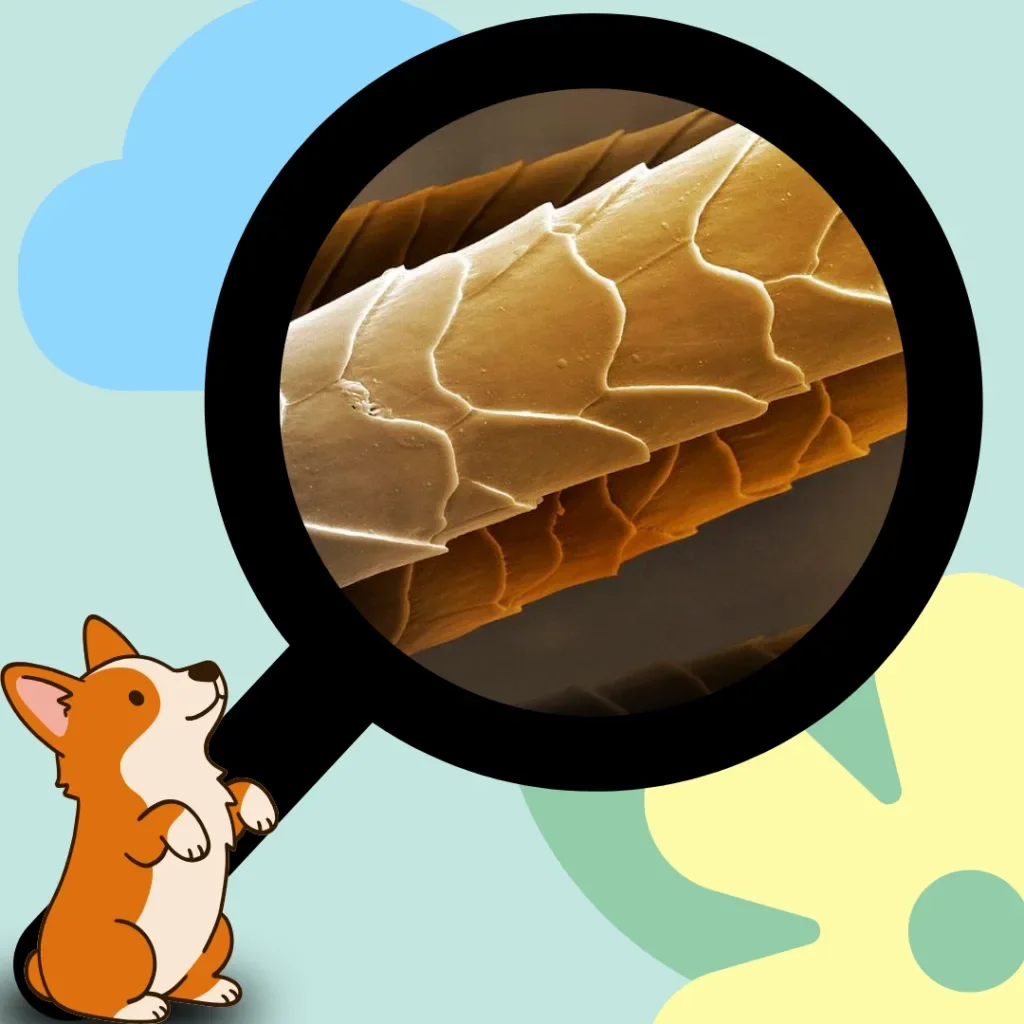
Closer Look: Life Cycle of a Strand of Fur
We talk a lot about brushing, deshedding, and coat maintenance — but have you ever wondered what’s actually happening on a microscopic level with your dog’s fur? Every single strand of hair on your dog’s body goes through its own life cycle, and understanding that cycle can help explain shedding, matting, coat changes, and why regular grooming is so important.
Let’s take a closer look at the journey of one tiny strand of fur.
1. Anagen Phase — The Growth Stage
This is when the hair is actively growing.
In many breeds, this phase is short, which means the hair reaches a certain length and stops. In others — like poodles, doodles, and some terriers — the anagen phase is much longer, allowing the hair to grow continuously until it’s trimmed.
Why it matters:
Long anagen = hair keeps growing → needs regular grooming
Short anagen = hair grows to a set length → more shedding
2. Catagen Phase — The Transition Stage
This is a brief “resting” moment between growth and shedding.
The hair stops growing and the follicle begins to shrink. It’s preparing to release the hair, but it’s not quite ready to let go yet.
Why it matters:
This stage is short, but it’s part of the natural rhythm
It helps regulate coat density and seasonal changes
3. Telogen Phase — The Resting Stage
In this phase, the hair is fully formed and just… hanging out.
It’s not growing, but it’s not falling out yet either. Many breeds spend a long time in telogen, especially double‑coated dogs like huskies, shepherds, and labs.
Why it matters:
Dogs with long telogen phases shed heavily when the cycle resets
This is where “blowing coat” comes from in seasonal shedders
4. Exogen Phase — The Shedding Stage
This is when the hair finally releases and falls out.
You’ll see it on your brush, your clothes, your furniture, and sometimes in impressive seasonal clumps.
Why it matters:
Regular brushing helps remove loose hair before it mats
Deshedding treatments support this natural process
Healthy shedding = healthy skin and coat
What Affects the Hair Cycle?
Several factors can change how quickly or slowly a dog’s hair moves through these phases:
Breed and coat type
Season and daylight hours
Hormones
Nutrition
Age
Overall health
Stress levels
This is why some dogs shed constantly, some shed seasonally, and others barely shed at all.
Why Understanding the Hair Cycle Helps With Grooming
Knowing how fur grows and sheds explains why:
Regular brushing is essential
Some coats mat more easily
Double‑coated breeds need deshedding, not shaving
Curly coats require consistent grooming schedules
Seasonal shedding is completely normal
Grooming supports skin health as much as coat health
Every strand of fur is on its own timeline — and grooming helps keep that entire system running smoothly.
Healthy Hair Starts With Healthy Care
Your dog’s coat is always changing, always renewing, and always working to protect their skin. By brushing regularly, keeping up with grooming appointments, and supporting their overall health, you’re helping each little strand complete its life cycle in the healthiest way possible.